
Develop Responsible AI Guiding Principles
Chart the course to successful AI adoption to maximize opportunities and mitigate risks.
Evolving AI technology is creating an environment of constantly changing legislative, regulatory, and security requirements. If not met, organizations could be exposed to risks that can negatively impact organizational outcomes, such as threats to reputation and trust, privacy and security, inclusiveness, and transparency. In addition, many organizations are not collaborating to ensure an aligned and cohesive approach to AI procurement and adoption.
Need Extra Help?
Speak With An Analyst.
- Get on-demand project support
- Get advice, coaching, and insight at key project milestones
- Go through a Guided Implementation to help you get through your project

Our Advice
Critical Insight
Many organizations are not implementing responsible AI guiding principles, which are critical in aligning the organization’s strategy and approach to AI. HR leaders have an opportunity to help drive organizational strategy, advocate for the HR function, prepare the organization for change, and help secure its success.
Impact and Result
Organizational leaders must develop responsible AI guiding principles collaboratively to align on the delineation of ethical and legal AI adoption and use. HR must partner with leaders to explore and define responsible AI guiding principles unique to the organization's culture, values, and anticipated risks. Supporting AI use as such will result in effective strategies and policies that enable organizations to seize opportunities while mitigating risks.

Responsible AI: Principles and Organizational Practices
This program has been approved for continuing professional development (CPD) hours under Section A of the Continuing Professional Development (CPD) Log of the Human Resource Professionals Association (HRPA).
McLean & Company is recognized by SHRM to offer Professional Development Credits (PDCs) for SHRM-CP® or SHRM-SCP® recertification activities.
HR Certification Institute's® (HRCI®) official seal confirms that McLean & Company meets the criteria for pre-approved recertification credit(s) for any of HRCI's eight credentials, including SPHR® and PHR®.
How to complete this course:
Use these videos, along with the project blueprint deck above, to gain an understanding of the subject. Start with the Introduction, then move through each of the course modules. At the end of each module, you will be required to complete a short test to demonstrate your understanding. You will complete this course when you have completed all the course tests.
- Number of Course Modules: 4
- Estimated Completion Time: 1.5 hours
Learning Outcome
In this course, learners will understand the significance of responsible AI guiding principles and identify principles that align with their organization’s mission, vision, and values. They will also explore the three foundational components of AI guiding principles and discover how these principles can shape responsible AI policies and practices within their organization.
Learning Objectives
By the end of this course, learners will be able to:
- Understand the importance of responsible AI guiding principles.
- Identify the guiding principles that align with their organization’s mission, vision, and values.
- Explore the three components of the guiding principles.
- Learn how to influence responsible AI use.
All of our McLean Academy courses have closed captioning available. To turn this function on, click on the C.C. in the bottom right corner of the video screen and click "English" on the options that pop-up.
Course Modules
Introduction
Module 1
Module 2
Module 3

About McLean & Company
McLean & Company is an HR research and advisory firm providing practical solutions to human resources challenges via executable research, tools, diagnostics, and advisory services that have a clear and measurable impact on your business.
What Is a Blueprint?
A blueprint is designed to be a roadmap, containing a methodology and the tools and templates you need to solve your HR problems.
Each blueprint can be accompanied by a Guided Implementation that provides you access to our world-class analysts to help you get through the project.
Need Extra Help?
Speak With An Analyst
Get the help you need in this 3-phase advisory process. You'll receive 6 touchpoints with our researchers, all included in your membership.
Guided Implementation 1: Gather key information
- Call 1: Identify key individuals and establish an AI steering committee.
- Call 2: Examine organizational strategy, values, and other inputs to define the purpose of responsible AI guiding principles.
- Call 3: Assess the risks associated with AI adoption and use and identify relevant AI laws, regulations, ethical considerations, and compliance factors.
Guided Implementation 2: Identify and draft responsible AI guiding principles
- Call 1: Research and compile existing responsible AI guiding principles.
- Call 2: Select and draft responsible AI guiding principles.
Guided Implementation 3: Communicate and iterate
- Call 1: Identify next steps and develop a communication plan to communicate across employee groups.
 Select an HR Technology
 Build a Strategic AI Roadmap
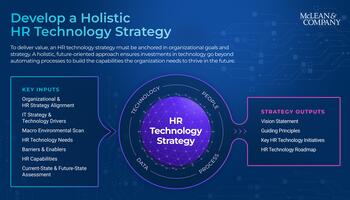 Develop a Holistic HR Technology Strategy
 Select an HR Technology Implementation Partner
 Preparing for an Internal Talent Marketplace
 Maximize Value With a Data-Driven Vendor Approach
 Harness the Potential of AI in HR
 AI Preparation Guide for HR
 Develop Responsible AI Guiding Principles
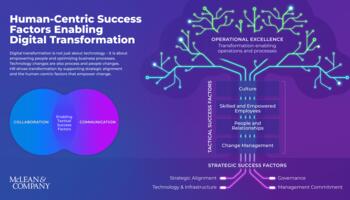 HR’s Role in Driving Meaningful Digital Transformation
 Get the Most Out of Your HR Technology
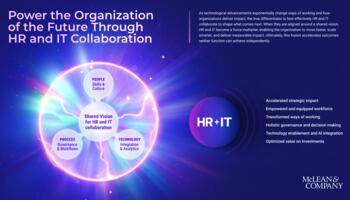 Co-Architecting the Future Through HR and IT Collaboration